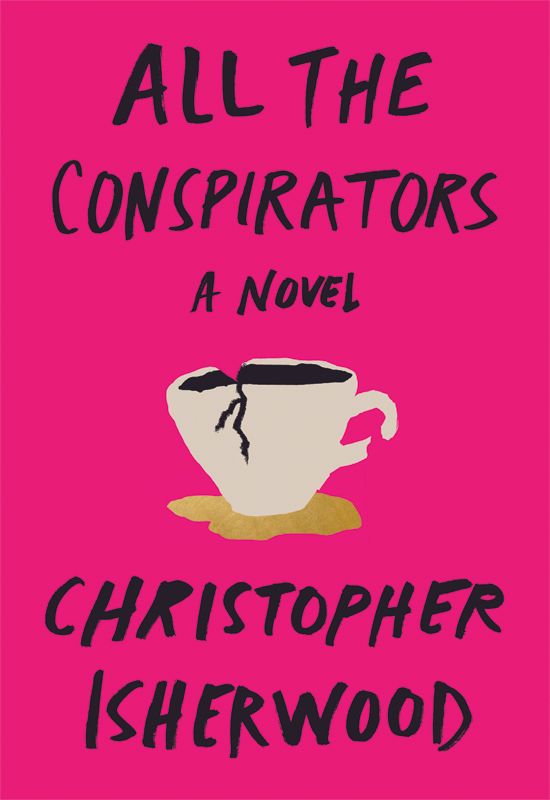

The 1920s was a period in English literature defined by intense experimentation, stream-of consciousness, away from linear narration and a concentration on the inner turmoil of characters. Notable works include, Ulysses (1920) by James Joyce, Mrs Dallaway (1925) by Virginia Woolf and T. S. Elliot’s The Wasteland (1922). American journalist and editor, Bill Goldstein, who co-founded NYTimes.com Books describes the year 1922 as a ‘literary earthquake’ in his 2017 book The World Broke in Two. Isherwood could not have missed this stumbling lurch into modernism and not been unaffected by it. He began writing All the Conspirators in 1926; it was published in 1928, the year before he moved to Berlin. Phillip Lindsey, a fey young man, as most middle-class men of the times seemed to be, who wants to simply paint and write is thwarted in his creative desires by his strict conservative society and family. A tragedy, yes. Isherwood incorporates modernist techniques with, in this reader’s opinion, not good enough reasons nor skills. Switching from the third to first person is clumsy and some passages are incomprehensible despite multiple readings. Isherwood is famous for the stark honesty of his auto-fiction. Had his life been a little more like his anti-hero’s I might have been more emotionally engaged and therefore enjoyed it more. In my recently-aquired Isherwood bro-mance (beginning with Christopher & His Kind) I’m looking forward to his latter works.
 Michael K Freundt