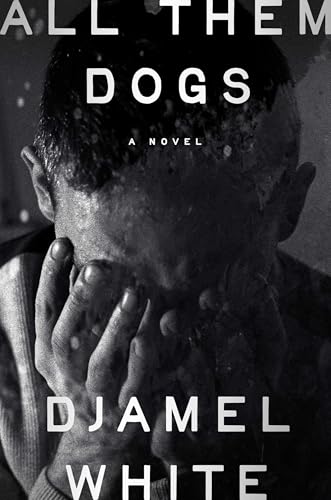
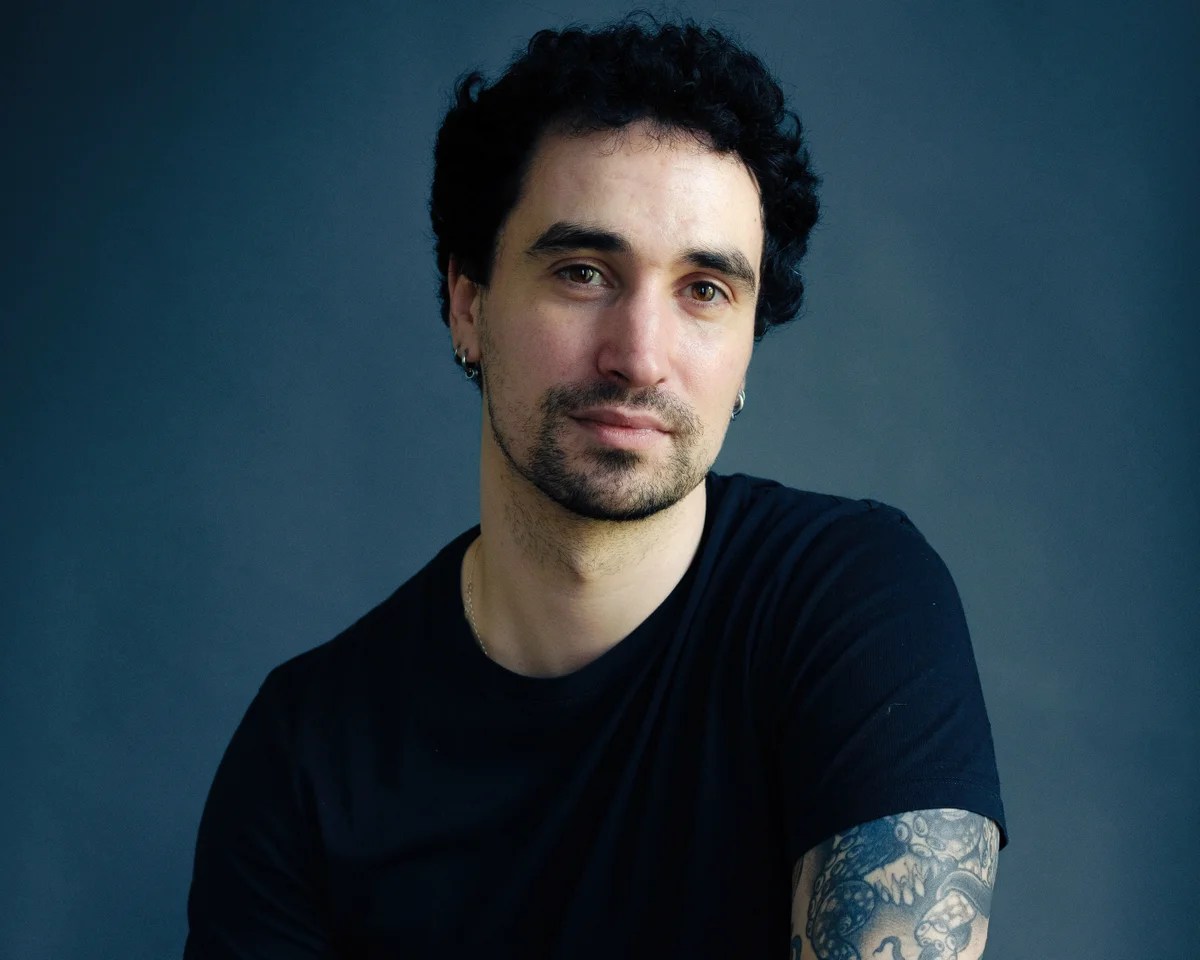
This is a debut novel that has made it onto the Booker 2026 long list. White is a young Irish writer of Algerian lineage. The book is set in Dublin’s crime gangs along with their own argot. It is a violent crime infested story with a romance at the centre of it. The action and language are brutal but creates an authenticity that is one of the novel’s strengths. But if you are not comfortable with very strong language then this book is not for you.
A gang member returns to Dublin but finds it hard to fit back in. He killed a rival years earlier and so fled to England but now finds that the victim has three brothers, all seeking revenge … maybe. More worrying for Tony Ward are the questions, whose side is he on, what does he have to do to fit back in, and who can he trust. Desire gets in the way of the answers.
Unfortunately, the gangland storyline is hazy, and at times confusing, and the romance is brief, the only sex scene is honest, not overtly described, as some reviewers assert, but the relationship feels underdone and so a little unlikely. Yes, the romance is at the centre of the story but not strong enough to be its heart.
Nevertheless it’s an impressive debut. The ending, although satisfying to a degree, is open-ended leading to an expectation of a sequel. Whatever Djamal White’s second novel will be, you can bet it will be highly anticipated.
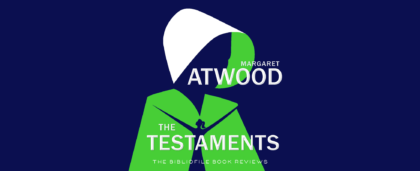
Yes, this is a sequel to The HandMaid’s Tale (1985) but it is not a continuation of the story. The Testaments starts fifteen years after the story of Offred, the handmaid, and is a trio of narratives, the three (written) testaments: a young girl raised in Canada, a young girl raised in Gilead, and Aunt Lydia, the villainous trainer ‘Aunt’ in the original story; she is the only continuing character.
There was a 1990 movie of Atwood’s The Handmaid’s Tale starring Natasha Richardson, Faye Dunaway, Robert Duvall and Elizabeth McGovern, directed by Volker Schlöndorff and penned by Harold Pinter which was not a success (it only made 5 million back on its 13 million budget) but the television (streaming) version of the book which first aired in 2017 was a runaway success. Timing is everything, coming as it did in the wake of the #metoo movement.
I suspect it was the success of the television version that sparked Atwood, and/or her publishers, to embark on a ‘sequel’.
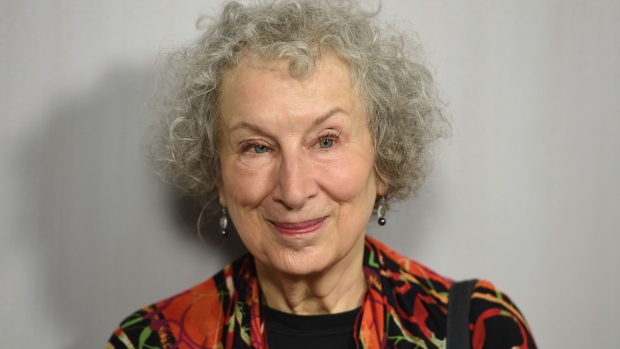
In a 2018 ad for Masterclass – an online teaching platform that Atwood signed up to teach creative writing – she says that all the bad things in The Handmaid’s Tale happened “in real life somewhere at some time … I didn’t make them up.” She also says that “as a writer, your goal is to keep your reader believing in your story even though both of you know it’s fiction.” I always knew The Testaments was fiction; I didn’t believe a word of it.
There are three reasons why I think this is not a good book and the Booker Prize judges made a very big mistake.
Fiction is made up of three components: narrative, description, and dialogue. The Testaments is all narrative. This happened, then that happened, then this happened, with dialogue peppered through the narrative like herbs sprinkled on a salad. You don’t learn much from the dialogue. There is very little description. I suspect Atwood believed the images, the ‘look’ of the story and characters from The Handmaid’s Tale, the TV version, would satisfy the reader’s need to ‘see’ it.
So much of the detail of the times and life in Gilead are justified in the same sentence in which the detail is introduced. This is often necessary but it is a necessity that should only be used sparingly. Too much of it and it sounds lazy and clunky. We are told too much, when we should be shown. As a reader I had to ‘do’ virtually nothing. I fell asleep a lot.
And what I believe to be the greatest sin: when the story is one of survival and escape from an evil or severe danger, which it is, we do not see the villains, the bad-guys – Commander Judd et al – get their comeuppance. It is a very unsatisfying read.
The Booker judges decided on a winner for 2019, Bernardine Evaristo’s Girl, Woman, Other and why, of why, did they also announce Atwood’s book as a co-winner – it’s against the Booker rules, btw – when it is such an obviously commercial enterprise capitalising, not on the success of the 24-year-old original book but, on the 2017 TV version of that book? Maybe they thought the Booker needed the publicity. Atwood didn’t need a Booker; she already had one (for her 10th novel, The Blind Assassin, in 2000) where as Evaristo did, but then had it diminished by having to share it. Both author’s were kind and sanguine about their joint prize as one would expect.
If you enjoyed all or either of the versions of The Handmaid’s Tale, book, film, or TV series, leave this one alone: it adds nothing.
However, you can buy various editions of The Testamentshere.