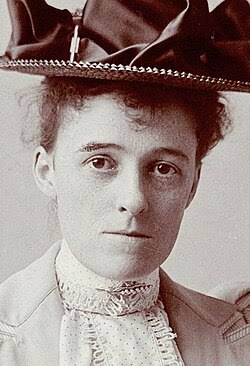
Edith Wharton usually wrote about the privileged upper middle class white Americans from Boston and its environs. Her tribe – and she was usually scathing about them.
She was a friend of, and mentored by, Henry James, twenty years her senior. Both wrote about that same upper-crust American; Wharton strictly wrote from the inside looking out; James from the outside looking in.
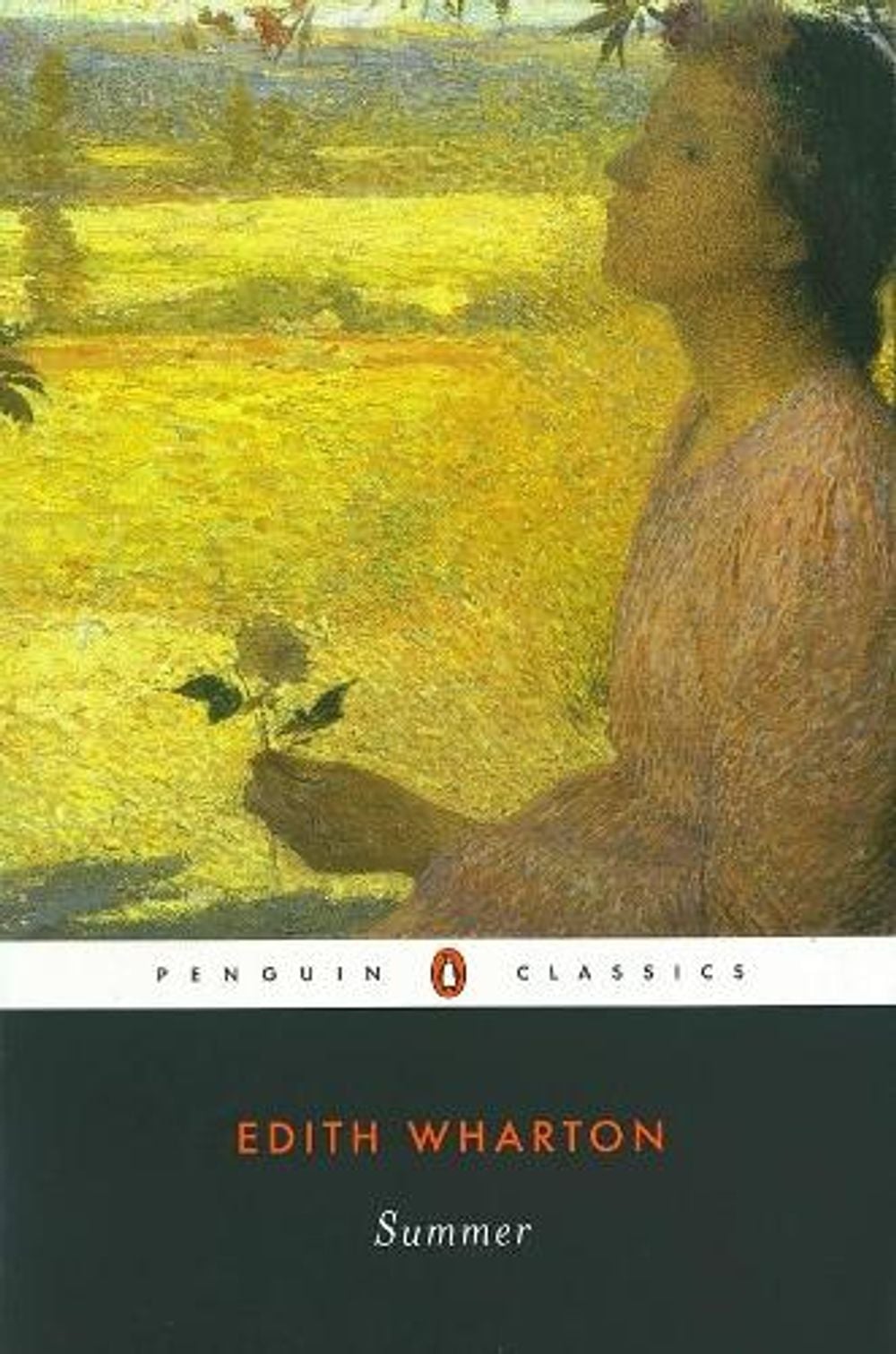
This Wharton novel, Summer (1917) is different. It is the story of a lowly born young woman, from a tribe of mountain people, poor, ostracised, and stigmatised. Her speech clearly defines her status. Charity Royall, who is taken in and named, by Mr. Royall, an ageing lawyer from the valley, well-off, sophisticated, privileged.
She is pretty and fiercely independent, ashamed of her origins, tolerant but indifferent to her guardian’s attentions to her, so seeks very little communication with him. Their meals together are in silence.
Her wish for romance and passion is put to the test by a visiting scholar, Lucian Harney. She knows from their first meeting that this handsome stranger is attracted to her, but her realistic attachment to her lowly state keeps her expectations and dreams in check. But he keeps showing up!
Their romance is a joyous experience for her, but her tribe and guardian cannot be ignored. Her fate is not predictable … no spoilers here.
It’s always a good idea to read a classic every now and again, when novels were written very differently. It not only gives you a novelistic reference it also reminds you how our lives, society, freedoms and atitudes of today in 2026 have radically changed, yet some have stayed the same.

