The In-Between by Christos Tsiolkas

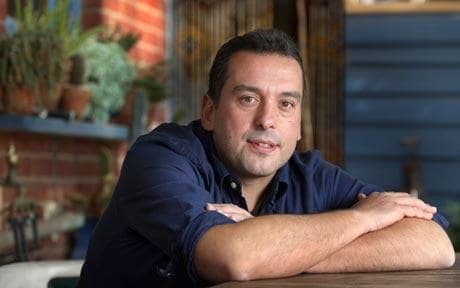
Greek-Australian writer, Christos Tsiolkas.

WARNING: This novel contains graphic descriptions of sexual activity and language that some readers may find offensive.

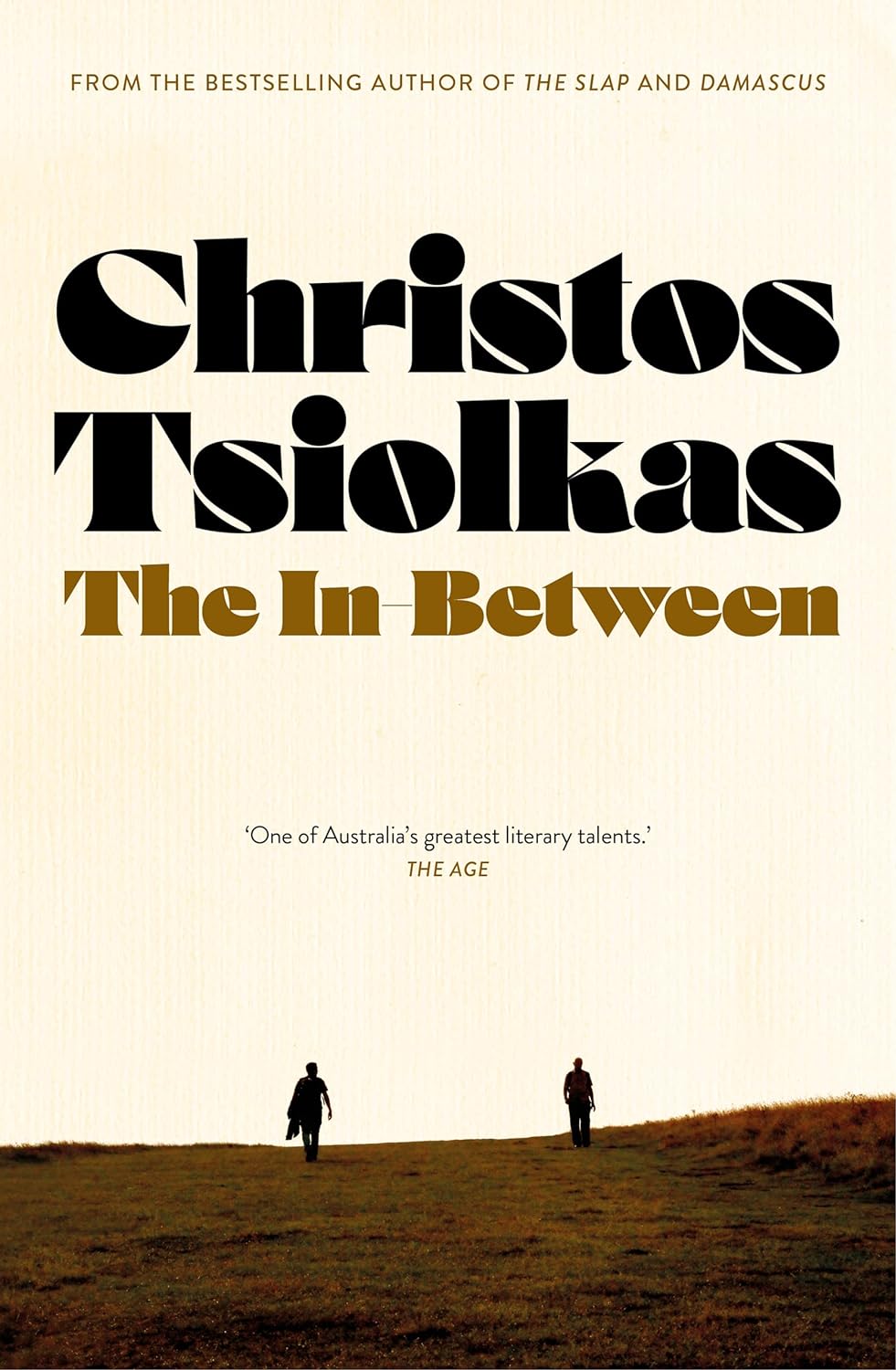
This book is a triumph and has returned Tsiolkas to my high esteem after Damascus (2019) and 7 1/2 (2021) which left me rather underwhelmed. Two men in their fifties, both with pasts tainted by regrets, mistakes, and betrayal, find each other on a dating app. Perry, an academic and translator, and Ivan, a landscape designer with his own business, are both attractive men although their handsomeness has begun to fade. They embark on their first date with a lot of trepidation and too much aftershave. The description of their restaurant meal is made dramatic and insightful by Tsiolkas’ attention to both men’s explicit thoughts that accompany each gesture, look, and their possible implications. There is also a wonderful dinner party scene where Tsiolkas’ narrator digs deep into each character’s actions and reactions. It’s a masterful piece of writing juggling four very different characters each with exposed, and hidden, motivations, what they say and don’t say.

The story is told in the third person but from alternating, chapter to chapter, points of view. However, imbedded in the structure is a device I have not seen before: Tsiolkas takes passing strangers, near-by onlookers, and places them under the narrator’s attention and we see our two would-be heros as others see them, how the world sees them: two ageing homosexuals behaving normally and affectionately in the world. This device has another purpose which affords an unusual but satisfying ending … but enough said; no spoilers here.

Tsoilkas has never shied away from graphic sexual descriptions as is evident in his early work, particularly Loaded (1995) and Dead Europe (2005) but since his record breaking success The Slap (2008) thrust him into the global literary mainstream with television adaptations both in Australia and the US the sexual lives of his characters have usually been implied rather than described. This return to such syntax is welcomed because he is so good at it mainly because there is no judgement or shame in what is vividly described.

Both men have pasts that they are trying to recover from and which they may or may not reveal to the other. They both try very hard to make this new relationship work – falling in love in your fifties is very different from your heady twenties; it takes work – even though Ivan’s family, a bitter ex-wife, but a caring daughter and granddaughter, and their own tensions get in the way. Perry has his own demons, mainly in the shape of a married French ex-lover he met in Europe and how this closeted man made him see himself and the world.

Minor characters, Ivan’s family and a charming rent-boy, and Perry’s relationship with his ex-lover’s daughter are treated with the same descriptive detail that add depth and understanding to the narrative. It’s a great book. Highly recommended.

Here is a short and interesting video with Tsiolkas talking about his influences and inspirations from 10 years ago. And here is a longish interview with David Marr about The In-Between but the audio is less than adequate. Watch with patience.

You can buy the paperback edition here.

To Paradise by Hanya Yanagihara

Hawaiian- American writer, Hanya Yanagihara

Yanagihara’s third novel To Paradise (2022) is in three parts:

Book 1 is set in New York, in 1893

Book 2 is set in the Hawaiian Islands in 1993

Book 3 is set in Lower Manhattan in 2093

There are many things Jamesian about Book 1, and not just the style and lexicon. The Bingham family lives on Washington Square, New York; and like Henry James’s novella, Washington Square (1880), it is about a rich but ageing heir, a tenacious lover who may or may not be a fortune-hunter, and an intractable and controlling guardian who opposes the match. This may not be so remarkable if it wasn’t for two other potent features. Firstly, the America of Yanagihara’s imagination is very different. What we know as the United States of America is unrecognisable in that it is divided into five separate zones of nations : The American Union (the central north), The Western Union (comprising the nations of Washington, Oregon, and California), The Kingdom of Hawaii, The United Colonies (the south east), The Free States (the north east including New York), and The Republic Of Maine (the far-north east). The south west is still uncharted territories. Secondly, the lovers in James’s story are Catherine Sloper and Morris Townsend; those in Yanagihara’s are David Bingham and Edward Bishop. Same-sex relationships are legal and tolerated in The Free States but are quite the opposite in other parts of the continent. Fundamentally and curiously, the love stories, written by James and Yanagihara, are the same.

Book 2 is set in Manhattan and on The Islands – The Kingdom – of Hawaii and concerns members of the royal family who live under greatly reduced circumstances. The main characters share the names of the main characters in Book 1 – as well as in Book 3: David, Edward, and Charles. This technique acts as a linking device throughout the novel linking the three parts but in names only. Yanagihara’s concern here seems to be an acknowledgement of Hawaiian disenfranchisement; with a post-colonial literary edge, giving the displaced and sidelined locals a voice. Young and insecure David works as a para-legal in a law firm in Manhattan where his immediate boss, and lover, is the much older Charles. David is of mixed Hawaiian and American descent. This relationship is told in the third person but from David’s point of view. His lack of confidence, his heritage, and past all conspire to work against him. The second half of Book 2 is a long first-person narrative written to David by his father, medically and emotionally tied to his bed. It contains a yearning tone for the glories of the Hawaii of the past, pre-invasion, although there have been uprisings and counter-revolutions. It’s not clear in this section where the story is going and it is the weakest part of the whole book. However, all is forgiven once you get to Book 3.

This is set in 2093 and divided into 10 parts, opening in 2093 but incorporating the back story from fifty years earlier and following each decade until the threatening and page-turning climax in the last days of the century. It’s impossible to outline the plot here because it’s not only convoluted but I would need to create too many spoilers to do it justice. However, I will simply say it involves the story of Charlie, a pandemic survivor and therefore a greatly changed human being, and her relationship with her grandfather, David. The grandfather-grandchild relationship is an important theme of this book and is explored in many ways.

What is remarkable is that what lies at the core of the novel, and the three books it contains, are deeply personal narratives about love, loss, and empowerment even though the book’s political and social universe that house these individual stories is so totally different to our own; dystopian certainly. Yanagihara has not only imaginatively created an alternative American continent, only keeping to its geographical shape, but also has generated its own inevitable and deeply disheartening future.

This is scary.

It’s scary because given the recent three years of the history of the USA – the one we know: the threat of climate change, the global alteration to our lives due to a pandemic – with the threat of more to come, and the beginnings of the corrosion of American democracy and way of life makes Yanagihara’s novel dangerously prophetic. But all of this information the reader gleans from the asides, dialogue, and explanations of the central very personal narratives.

In Yanagihara’s 2093 pandemics are commonplace. Climate change has happened: cooling suits have been invented and are being improved to allow people to go outside; falling ill puts the individual and their families into permanent isolation (containment centres); building crematoriums is a growth industry. Good nourishment is scarce, food and water are rationed via coupons or can be won through lotteries, tea is powdered, honey is artificial, and all fruit growing on trees is owned by the state. Marriage is mandated since most of the victims of pandemics have been children and those who survive, like Charlie, are sterile. The birthrate has plummeted.

It takes a special kind of cruelty to make a baby now, knowing that the world it’ll inhabit and inherit will be dirty and diseased and unjust and difficult.

All urban areas are surveyed by drones called Flies. It is therefore unwise to show distress, anger, or alarm and if noticed the offenders are plucked from the street by troopers in passing vans. Lives are strictly controlled. Tuscany is no longer inhabitable. Bowing has become the universal form of greeting; touching is therefore avoided.

The people who worked for the State and the people who didn’t were united in their desire to never encounter each other.

Hania Yanagihara started writing this book in 2017 and when the pandemic was raging outside her window the latest pandemic in her invented world was about to override the previous one. She talks about this serendipitous aspect of her book in the video below.

Although there are some flaws, this is a truely remarkable work of creative writing. A must read. I just hope its story stays in the world of her and our imaginations.

Here is a very candid and fascinating interview with Yanagihara primarily about the writing of this novel.

You can buy the book in various formats here.

A Place Called Winter by Patrick Gale

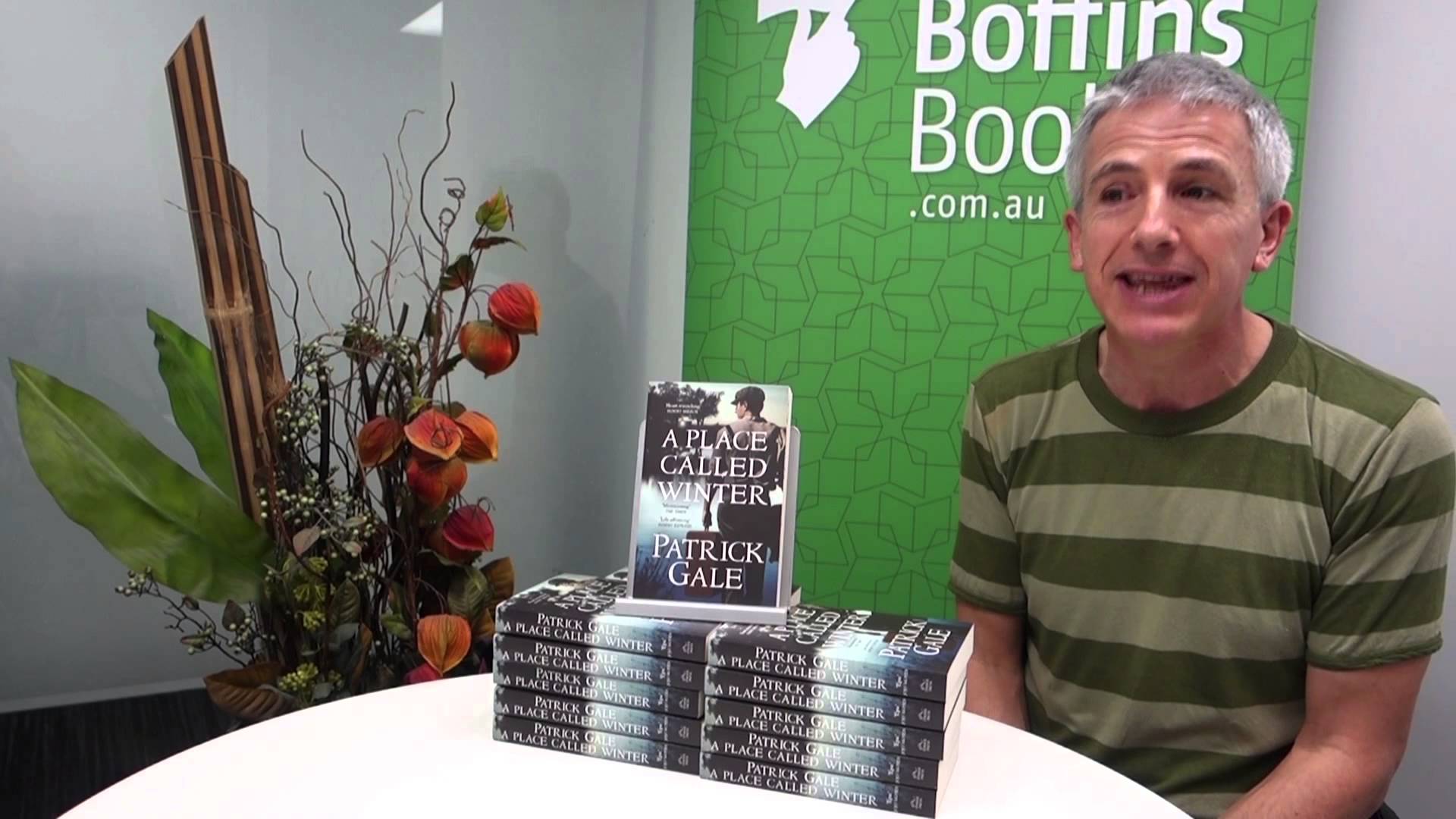
patrick_gale_pic2
British writer, Patrick Gale

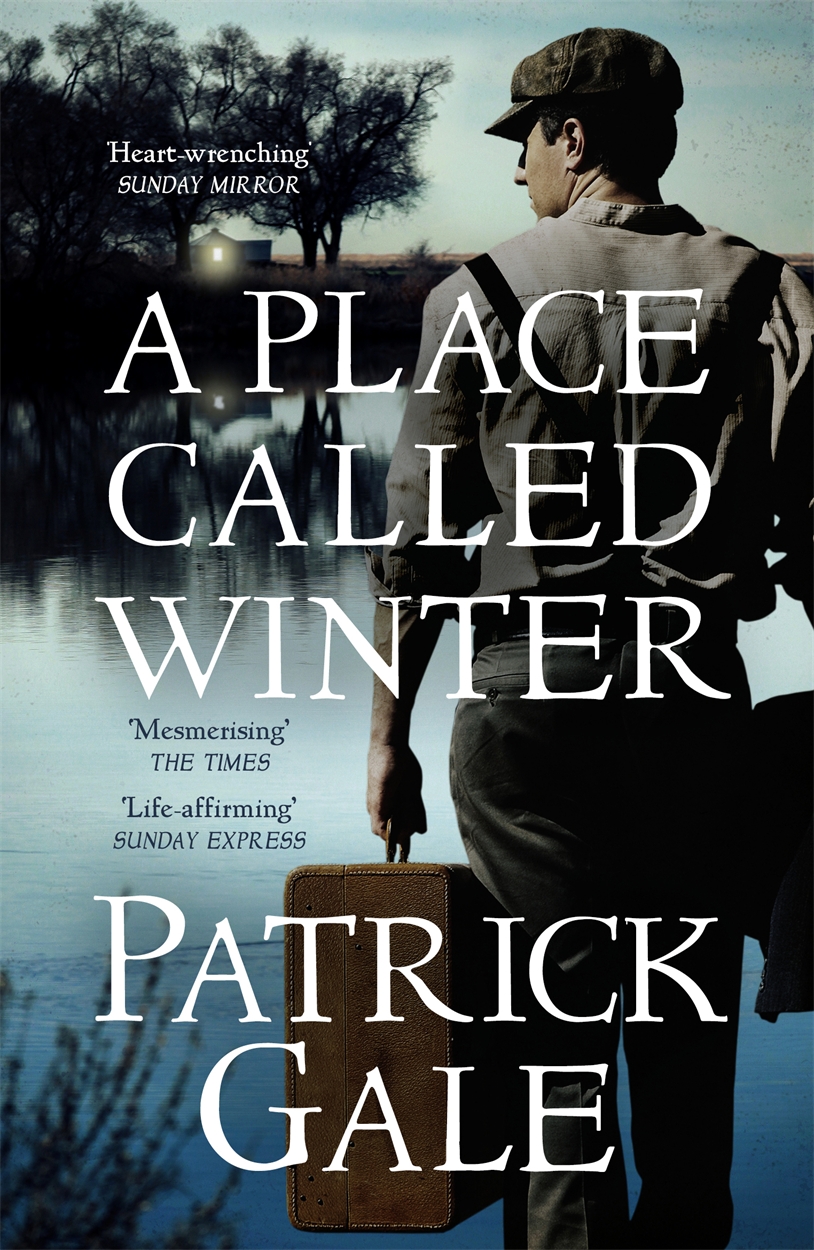
This is a very different book, Gale’s latest, from his other work which have usually been an insular look at a group of people in a localised area, usually a small Cornish community. A Place Called Winter is epic in its geography, historic in its time and language, and romantic in its tone. If you had to write a précis of this book it would read something like a historical romance, complete with abandonment of wife and family, a journey across the ocean to a strange and inhospitable land, the finding of love in the most unlikely place, a world war, murder, insanity, tragedy, and a villain of truly despicable proportions, but Gale avoids all the possible clichés that would otherwise render such a story fit only for the sensational shelves of suburban bookshops patronised by retired ladies.

“I didn’t decide, ‘Now for an historical novel!’ Rather I found myself more and more possessed by the material suggested by the fragments of my great-grandfather’s story,” and Gale has been reported many times as saying that for the purposes of fiction, and to account for surprising decisions from his ancestor’s known but sketchy life, he ‘turned’ his great-grandfather gay. This is not surprising for Gale readers, as Gale, an out gay man, writes often and well about sexuality. However “The great challenge in this novel was to write about sexuality while inhabiting the head of a man who realistically would not have had anything like the psycho-sexual vocabulary we take for granted now.” Indeed, in his first homosexual experience, which he, Harry Cane, subconsciously seeks out under the guise of a remedy for his stuttering from a handsome, but opportunistic actor and speech therapist, says, when it is obvious what is going to happen and without any stutter at all, “I have absolutely no idea what to do.”

Once his affair is discovered by a kind but firm brother he is forced to avoid a family scandal and possible imprisonment, and flees to the wild cold west of Canada where he is befriended, then abused, but finally set up by a land agent next to a shy and reclusive brother and sister pair, there for their own reasons of displacement. It is here, near a place called Winter, that he discovers what life, love, sacrifice and family really mean. Plot points of self-realization, murder and reunion are described in unsentimental terms and even the climatic act of …. No; no spoilers here.

For all of Gale’s extolling his attention “on the psychology and emotional life” of his characters I found A Place Called Winter, although enjoyable and sustaining, not as rewarding as his other works that focused on a domestic band of rural characters dealing with each other, and more importantly, themselves. The Cornish landscape, both emotional and geographic, he knows well and writes about it with, insight, force and understanding, while such considerations in A Place Called Winter are a little overshadowed by the grandeur of the plot. However, there is a lot to gain from this book; it’s probably the most commercial of his works and one that will gain him a new and, hopefully, loyal readership. He’s prolific: this is his 17th work and I eagerly look forward to what next he has to offer.