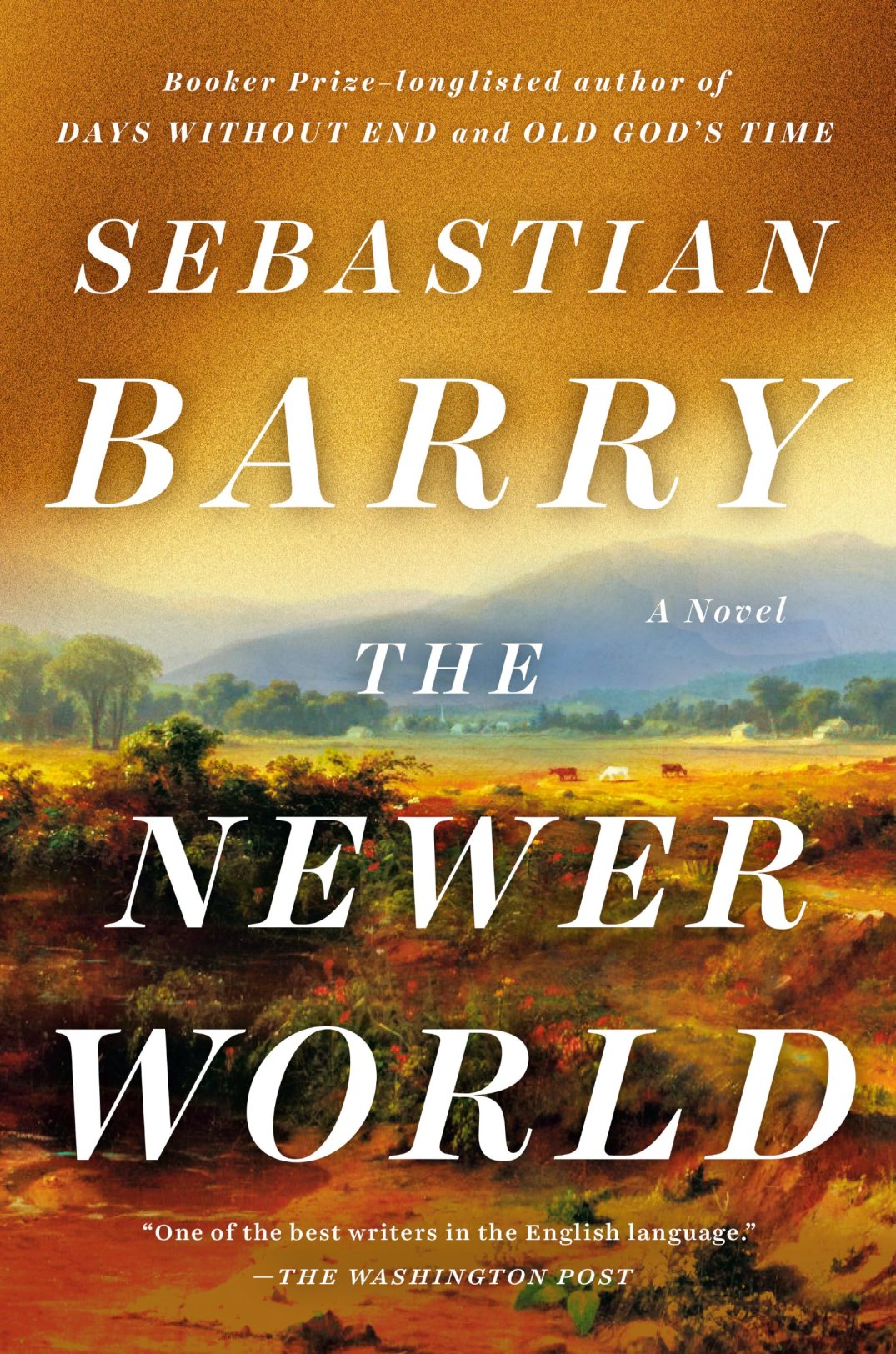

For an Irish writer in the 21st century, to write a first-person narrative set almost 200 years ago of a coloured slave in Tennessee, before, during and after the Civil War takes a lot of self-confidence, skill and audacity. What impressed me most in the first opening chapters was the tone. When a writer establishes the right tone, wrapped around with vocabulary, of time place and person, and syntax they create the feeling of truthfulness. There’s a word for that: verisimilitude, the appearance of truth, created truth. It’s what every writer strives for.
This is the story of Tennyson Bouguereau, in his own words. Don’t skip his name. I know some readers skip names that may appear challenging. Tennyson Bouguereau, TEh ni sun BOO ga roh. It’s almost a story in itself. It’s certainly a song. He’s a slave in the American south trying, mainly, to stay alive each day in expectation of the next. This is not easy. To look at a white person, let alone brush passed them in the street, can get you killed. There is shocking violence in this book, not detailed, but it’s the inference that takes your breath away. If violence, even tacit violence, on a page is not your thing, this book is not for you.
One of Barry’s formidable skills is creating vivid and often alarmingly truthful prose of someone who has had very little education and so a limited vocabulary. Tennyson expresses himself with the vocabulary he has, gleened mainly from the natural world. He finds himself part of a choir that, surprisingly, tours England. They are warmly received. This is so astonishing to the singers, all black and all from Nashville, that one of them remarks, ‘Oh! So we are not lepers after-all.’ It is Barry’s descriptions of, via Tennyson’s voice, not only their concerts in England, but the music itself that is one of the many writing highlights of this book. After many adventures, even as a soldier, he finally makes it back home to his twin sister, Rosalee … and to the man who raped her. There is still revenge in his heart. But a lot has changed. No spoilers here.
There has been a lot of critical backlash against Barry for, as a white Irish man in the 21st century, writing from the perspective of a young19th century black slave. Is it cultural appropriation? But this is fiction, and if the writer convinces the reader of the truthfulness of what he writes – and for this reader he does – you won’t spend time and effort researching the 19th century Black American Slave milieu to see if Barry is ‘truthful.’ It doesn’t matter if he is, or isn’t, truthful. He has created truthfulness for the purposes of telling this story. Again, this is fiction!
Highly recommended.

